
Overton Three-Day Release Gap
The Overton County Sheriff Jail Info page was checked on August 2, 2026. It has no public roster, release archive, or control for a rolling 72-hour window. The county publishes no definition for when such a window would begin, how often it would refresh, how long an entry would remain visible, or which fields it would show. A released person does not merely fall off an official three-day list here. No such public list was found.
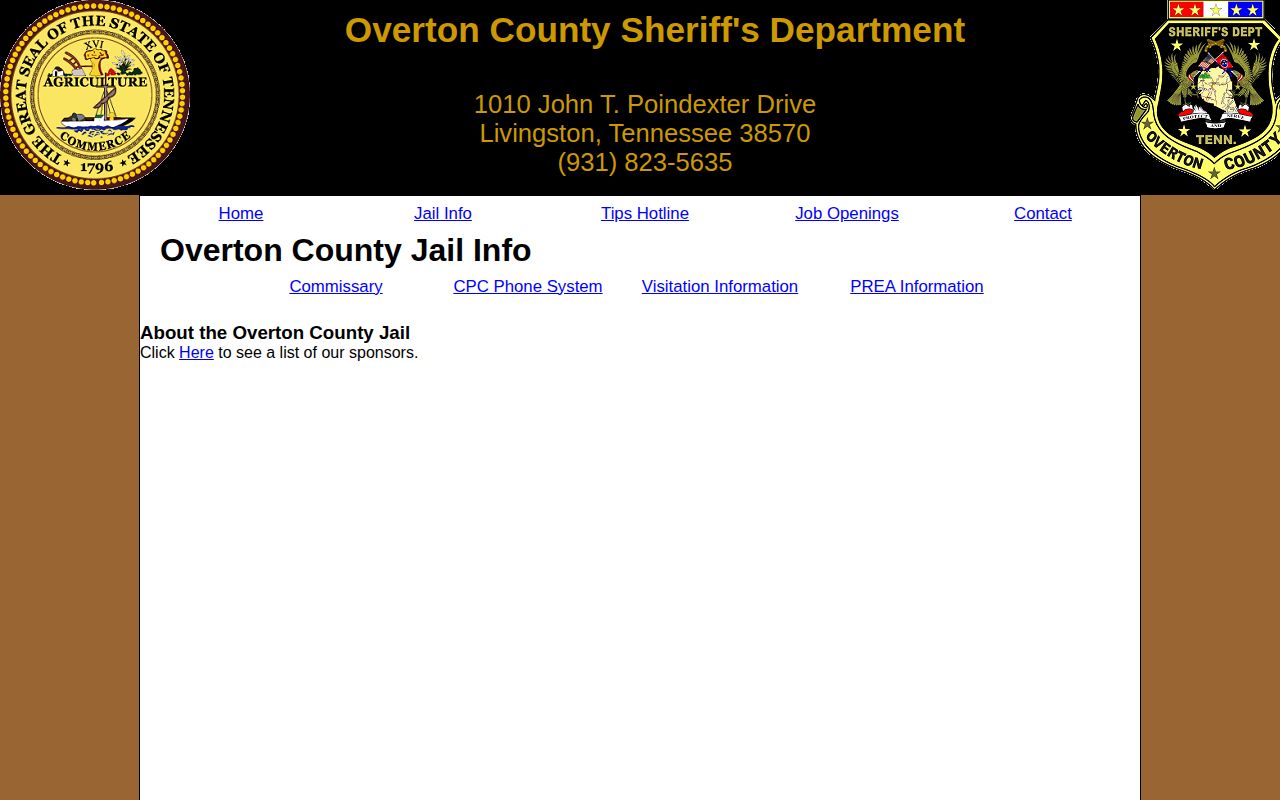
The screenshot documents the official page that is available, not an invented feed. This negative finding should lead directly to the records process. It does not support a claim that the sheriff lacks internal release records. Nor does it permit use of a commercial page that borrows the county name. A fixed three-day records request is the local substitute for a web view.
Frame Overton's 72-Hour Interval
A rolling 72-hour window and three named calendar days are not always the same. For a request made late Monday, a true 72-hour span may begin late Friday. A three-calendar-day request may begin at midnight Saturday. Decide which question matters and put the endpoints in the request. Use Central Time and include the year. This prevents an early Friday release or late Monday event from being silently included or left out.
The wider interval helps when a reader does not know the precise release day. It is also useful for work completed after a weekend or holiday. Overton publishes no special weekend-release rule or update cadence, so do not promise that all weekend events post on Monday. The reliable field is the release timestamp in the source record. Processing, court entry, a receiving agency's intake, and a VINELink alert can each carry a different time.
For a same-day interval, use the Overton County 24-hour release process. The shorter request can be faster to review when the date is already known.
Request Overton Three-Day Release Records
Address the request to the current public-records custodian for the Overton County Sheriff's Department at 1010 John T. Poindexter Drive, Livingston, TN 38570. The main telephone is (931) 823-5635. The official pages do not state dedicated records hours, a release-log fee, or one required delivery channel. Confirm those procedural points before sending private identifiers or visiting. Under Tennessee's public-record framework, ask for existing records with a sufficiently detailed range rather than requiring staff to create conclusions.
A useful request can seek "the existing booking-release log or booking-release entries for events recorded from the stated start through the stated end, Central Time." Ask for the booking number, booked date and time, release date and time, release type or authority, case reference, and destination or receiving agency. If copies may carry a charge, request an estimate first. If part of a record is withheld, ask for the legal basis and the reasonably separable public remainder.
- Choose a fixed 72-hour span or three named calendar dates.
- Confirm the sheriff's current records custodian and accepted request method.
- Request the existing event records and the listed fields for that interval.
- Ask whether booking photos are separate records and whether an estimate applies.
- Sort results by release time, then verify destination and court authority.
Note: No verified local fee or universal response period is stated, so request the current policy and estimate instead of quoting one.
Read Overton Release Outcomes
The requested fields form a release list only after each outcome is read accurately. A booking number ties the row to one jail episode. Release date and time indicate when Overton custody ended in that event. The release authority may identify bond, recognizance, time served, sentence expiration, a court order, or probation. Destination reveals whether another custodian received the person.
| Field | How to read it in a 72-hour result |
|---|---|
| Name and booking number | Match the right person and booking, especially when names repeat. |
| Release timestamp | Place the event inside or outside the fixed interval. |
| Release type or authority | Identify the stated basis without treating it as final case disposition. |
| Charge and case reference | Find the linked docket, order, judgment, or later amendment. |
| Destination or receiver | Distinguish community exit from TDOC, federal, immigration, or other transfer. |
| Hold or detainer | Flag possible continued custody by another authority. |
A bond release leaves the charge pending unless the court later disposes of it. Probation means community release under court-set terms. Parole is conditional release approved through the Tennessee Board of Parole for a state sentence. A transfer means Overton custody ended because a named agency took over. None of those labels should be collapsed into one claim that the person was fully free of custody or supervision.
Weekend Overton Release Verification
A three-day range often crosses days when offices have limited public access. That affects when a request can be answered, not necessarily when jail staff process a release. The sheriff publishes no Overton weekend-release schedule. The Circuit Court Clerk lists weekday public hours, and a filed court action may not share the same timestamp as the jail's physical release event.
Use the Overton County Circuit Court Clerk's file to explain legal authority. The docket may contain a bond order, dismissal, judgment, sentence, jail credit, probation order, revocation, or amendment. It is not a gate log. If an order was entered Friday and the sheriff event shows Saturday, keep both dates. Another hold may also delay release after the first case changes. The strongest result pairs the clerk's operative document with the jail event instead of forcing one record to answer both questions.
For one named person, the Overton County released-inmate lookup path also separates local, state, federal, and immigration custody. That is more precise than requesting all records in a three-day span when the identity is already known.
Overton TN SAVIN Follow-Up
TN SAVIN provides the county notification layer through VINELink. The Tennessee Sheriffs' Association says every Tennessee sheriff participates, including Overton. The service distinguishes release, transfer, and escape alerts. That can help flag an event within the requested period, but it is not a historical three-day report and does not certify the source data.
Search the correct person and reporting agency, compare lawful identifiers, and save the event label and time. Phone, text, and email registration are documented. Voice registration uses a private four-digit PIN. Automated calls can repeat until acknowledgment or for up to 24 hours. Support is available at 1-888-868-4631, and TTY assistance is at 1-866-847-1298. A missed alert or no result does not prove that no release occurred.
For a transfer to Tennessee Department of Correction, use the official FOIL state felony-custody search. FOIL may show incarceration, parole, probation, inactive status, location, sentence, and release information. It does not cover every county booking. If the jail event names a federal or immigration receiver, continue with that system instead of FOIL.
Route Overton Release Follow-Up
The receiving agency determines the next search. For a Tennessee felony sentence, FOIL covers current and former offenders in TDOC custody or supervision. Search by name or TOMIS identifier, open the detail record, and read status, location, sentence, parole, and release fields together. A parole or probation status means the person is in the community under legal supervision. An inactive status should not be turned into a claim about dismissal or innocence without the underlying record.
A federal transfer calls for a different chain. The Bureau of Prisons locator covers sentenced federal prisoners from 1982 onward, but many federal pretrial detainees are managed by the U.S. Marshals Service in local or contract beds. The federal court docket and responsible Marshals district may be needed. An immigration transfer requires the ICE locator and the county transfer entry. No federal prison or ICE detention center was verified in Overton County, so those systems are follow-up routes only when the source record points there.
Livingston Police Department may originate an arrest, yet no separate long-term municipal jail archive was verified. If police delivered the person to the county jail, use the Overton booking-release event and the local court file. This agency-by-agency route avoids treating the county's missing web list as a search across every custody system.
Reconcile Overton Three-Day Releases
Build the final interval from the sheriff's timestamps, not from web appearance. Keep each booking number, person identifier, release type, destination, and source date together. Then attach the relevant court outcome. If the person entered probation or parole, add the exact FOIL status. If another agency received the person, use that agency's current or historical record to show the next custody step.
Conflicts should remain visible until resolved. A court order can authorize release before jail processing ends. VINELink can receive an event after the sheriff records it. FOIL can reflect a state transfer or supervision status that begins after the county event. Preserve each label and timestamp, then ask the originating office about its own data. This method gives the three-day window real boundaries and prevents a transfer, data lag, or missing online page from being misreported as community release.